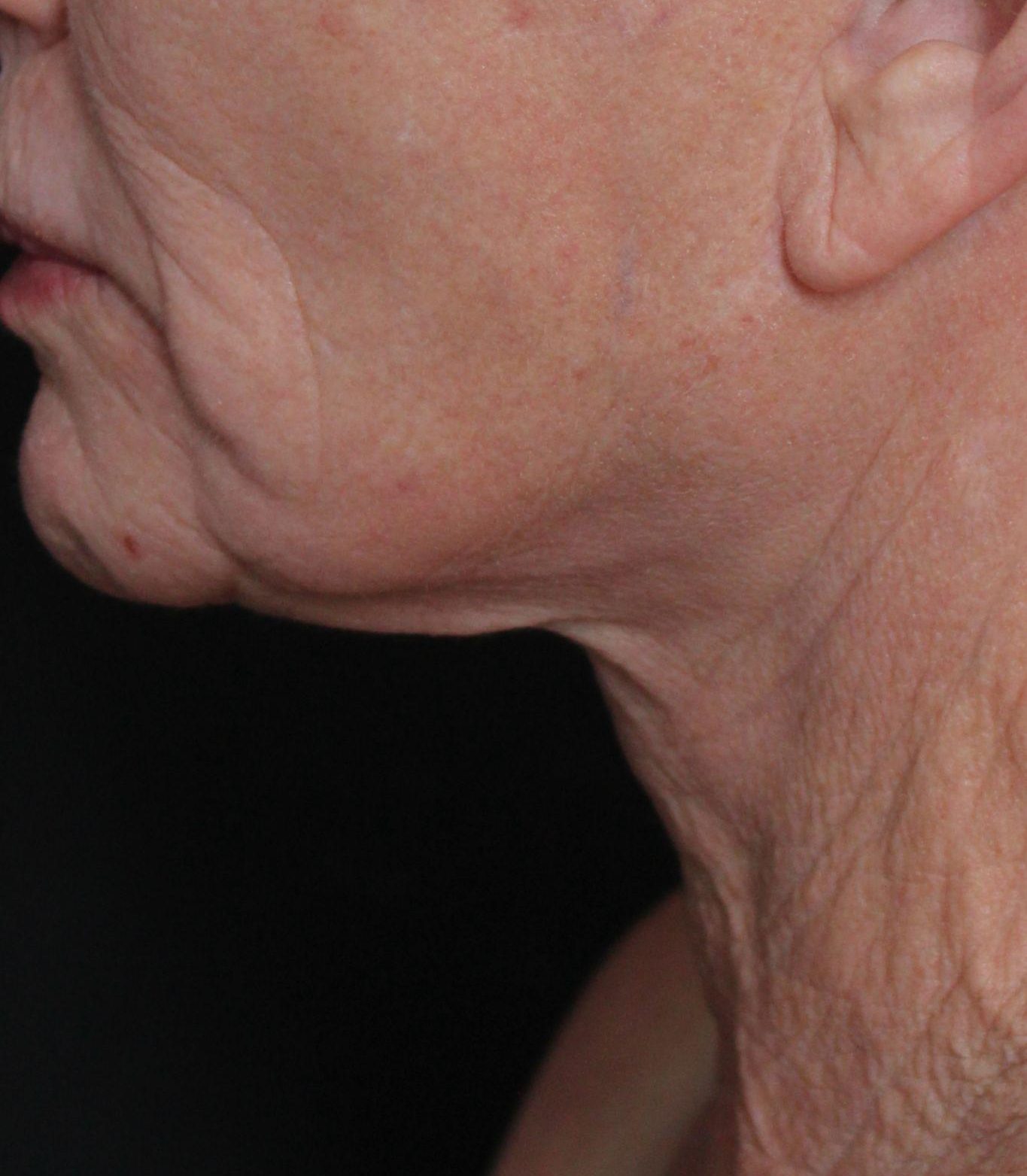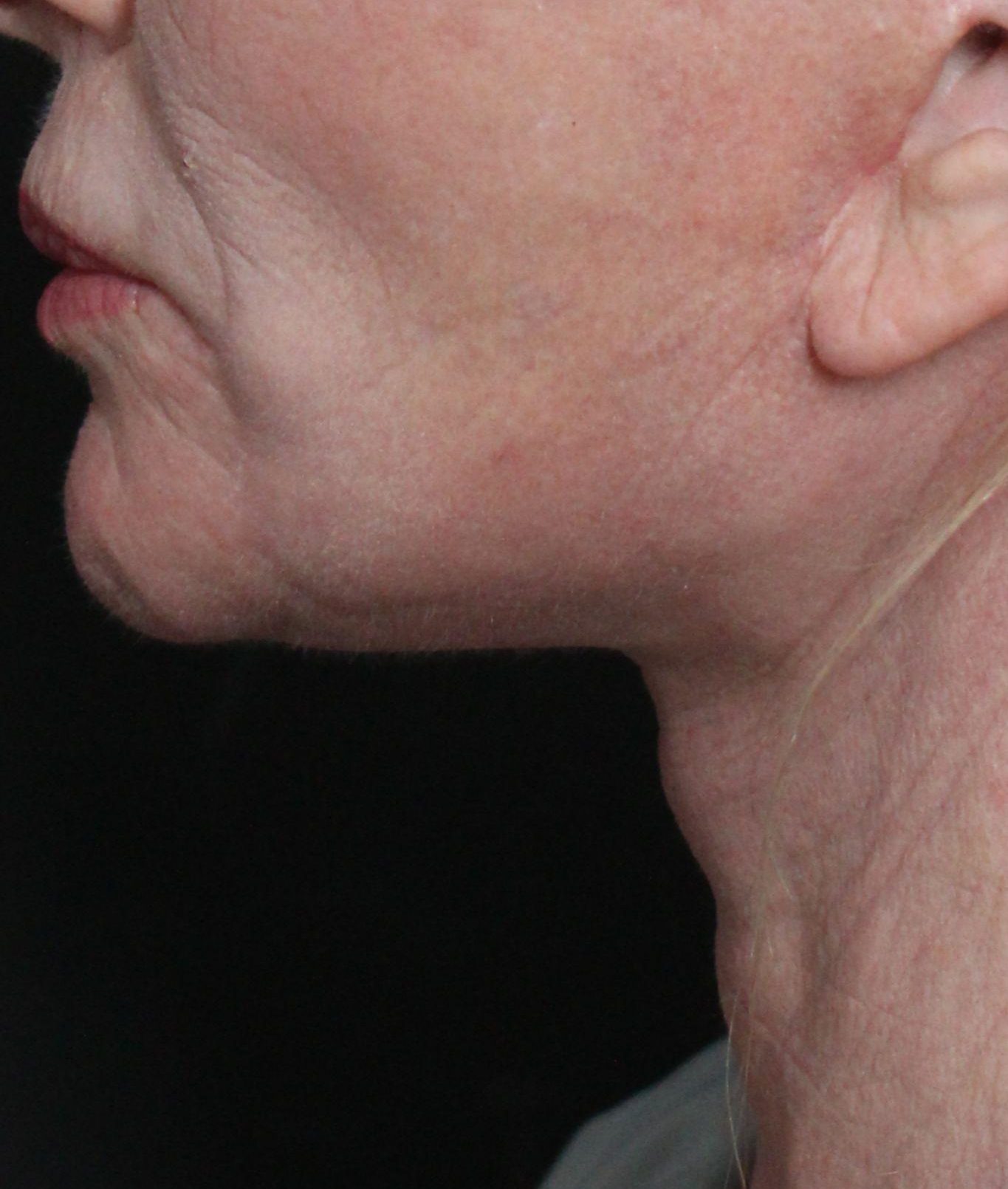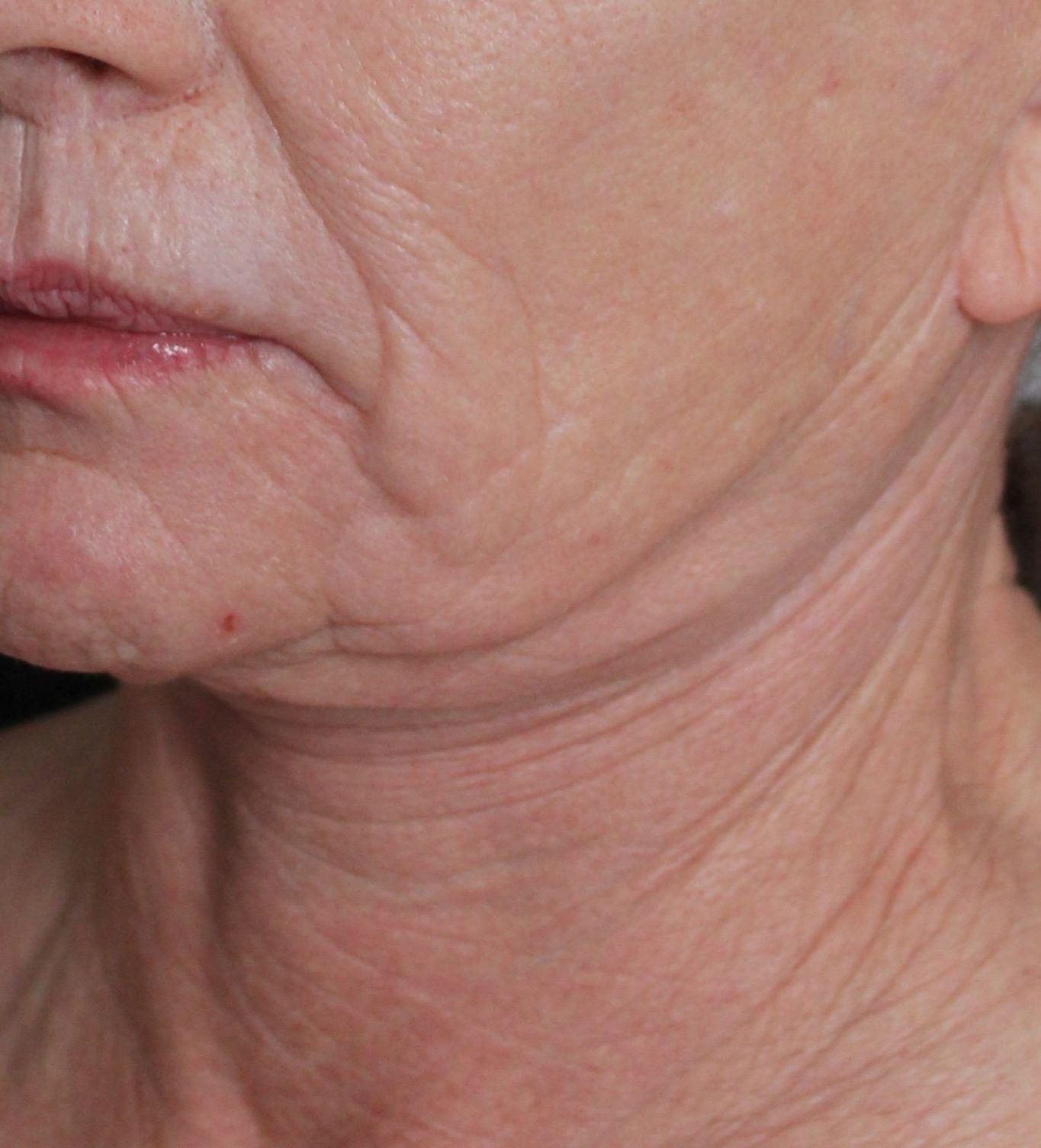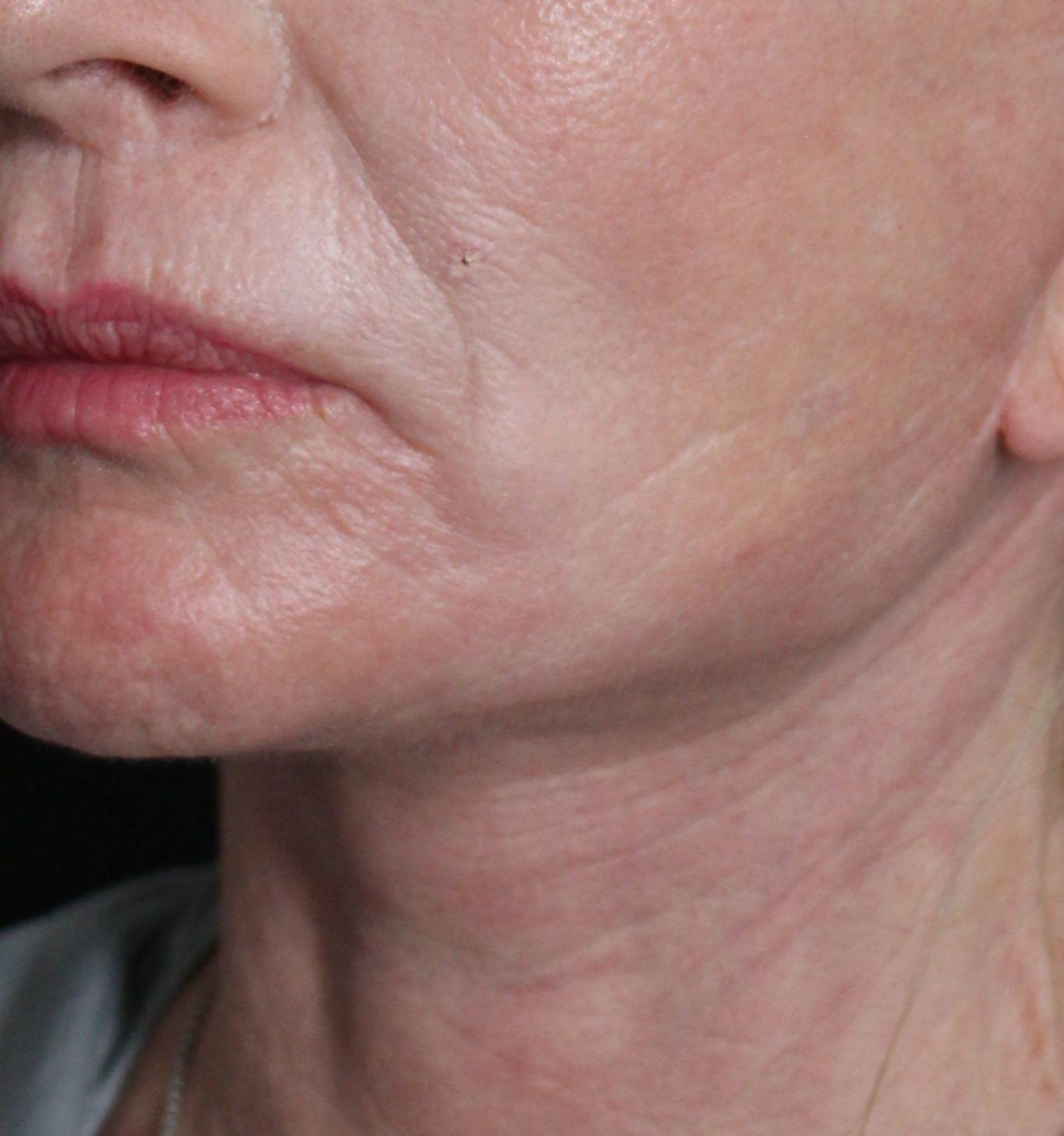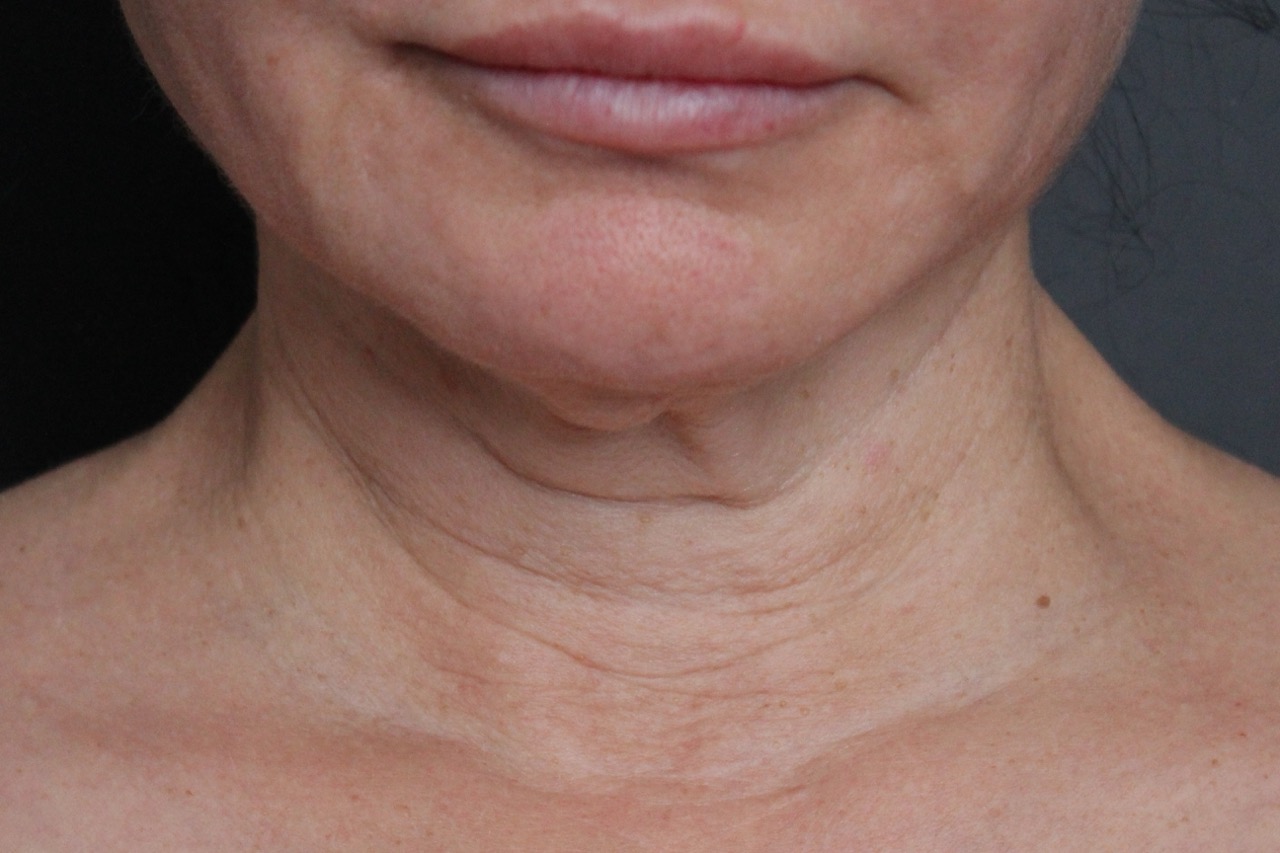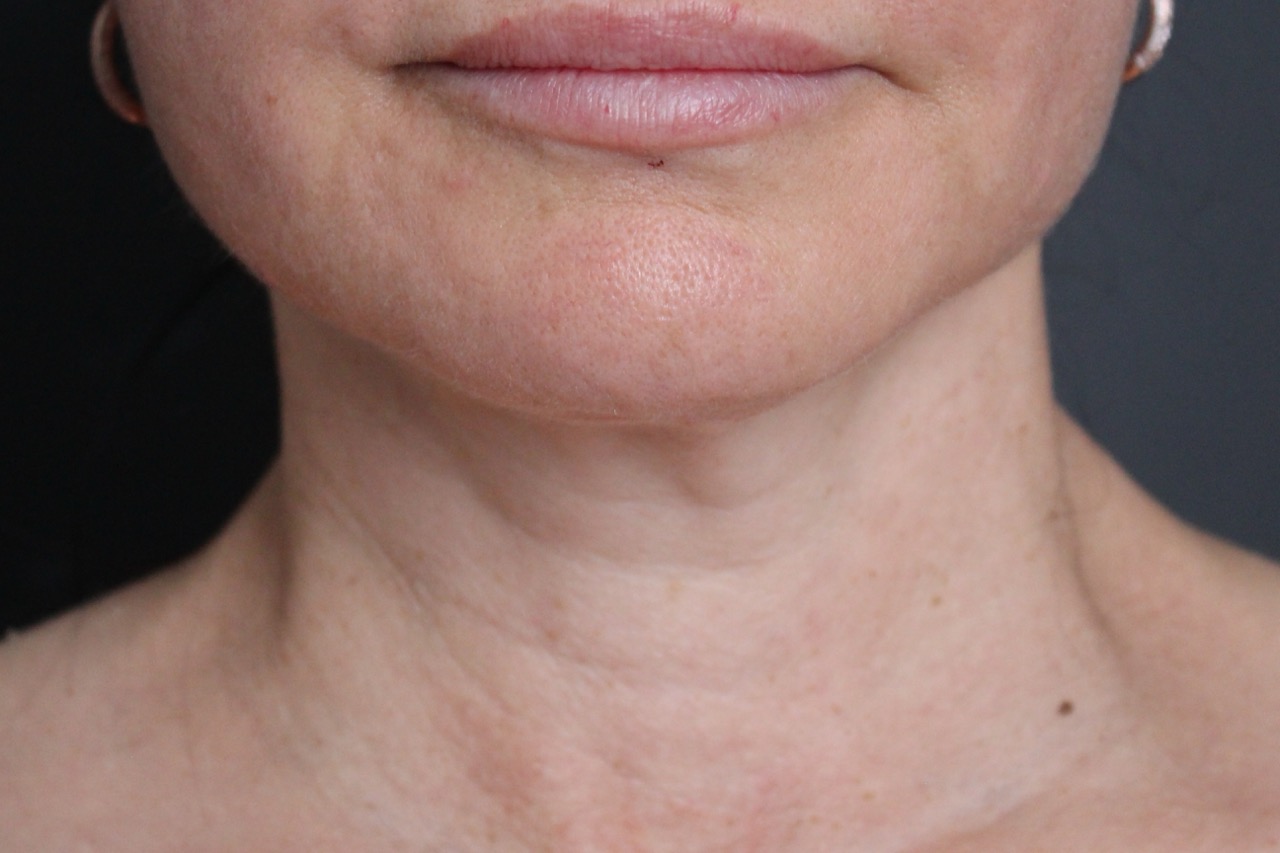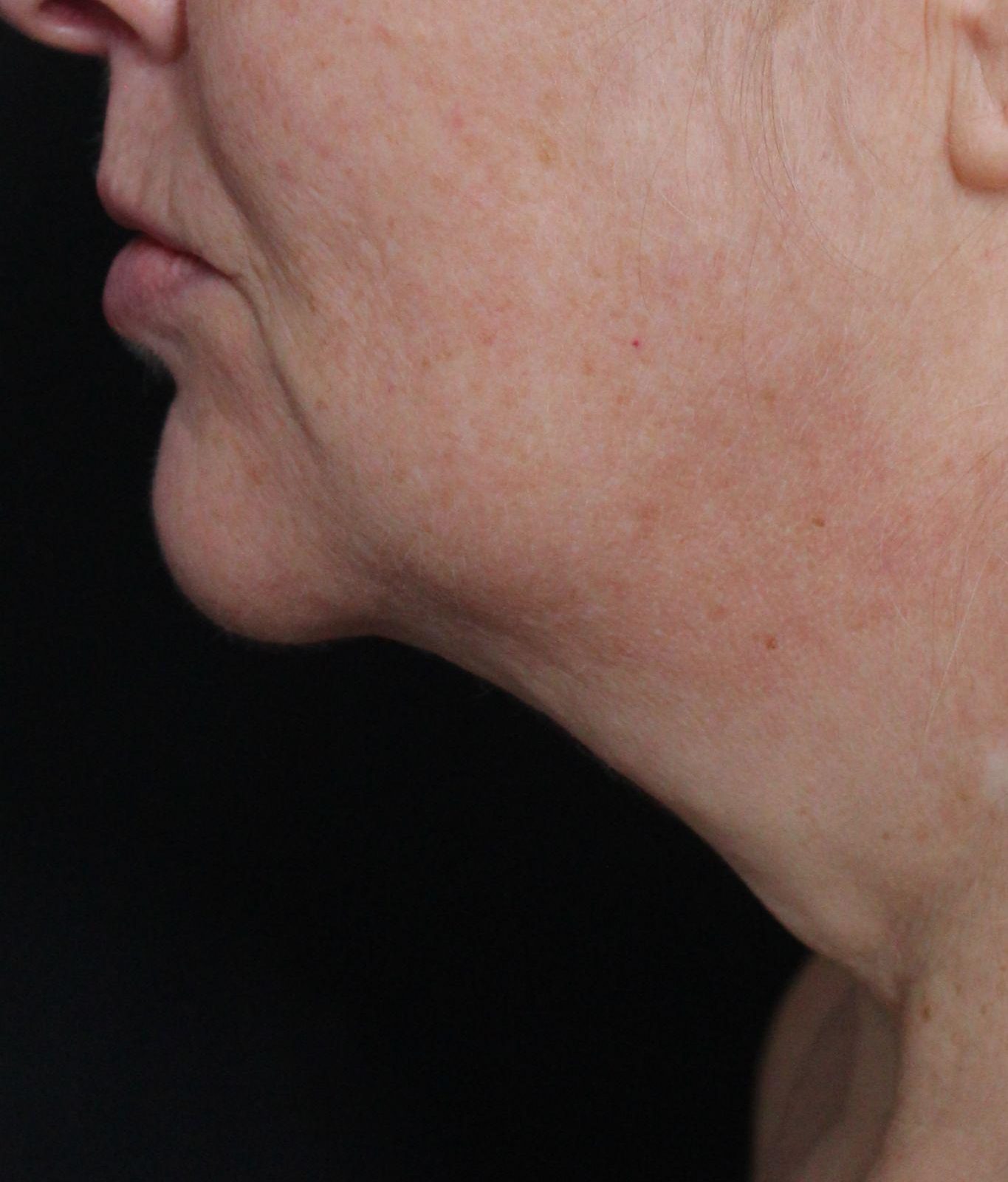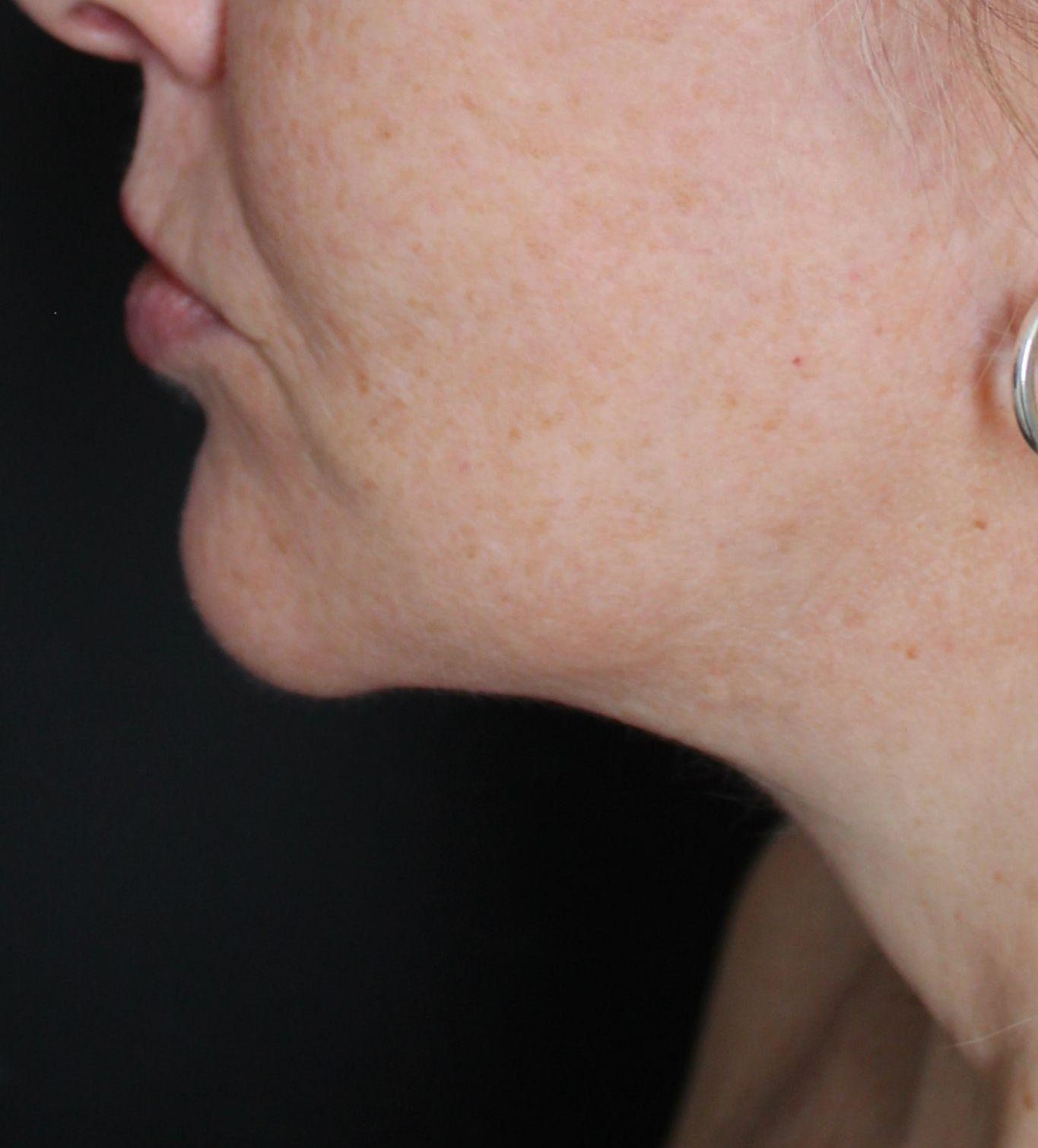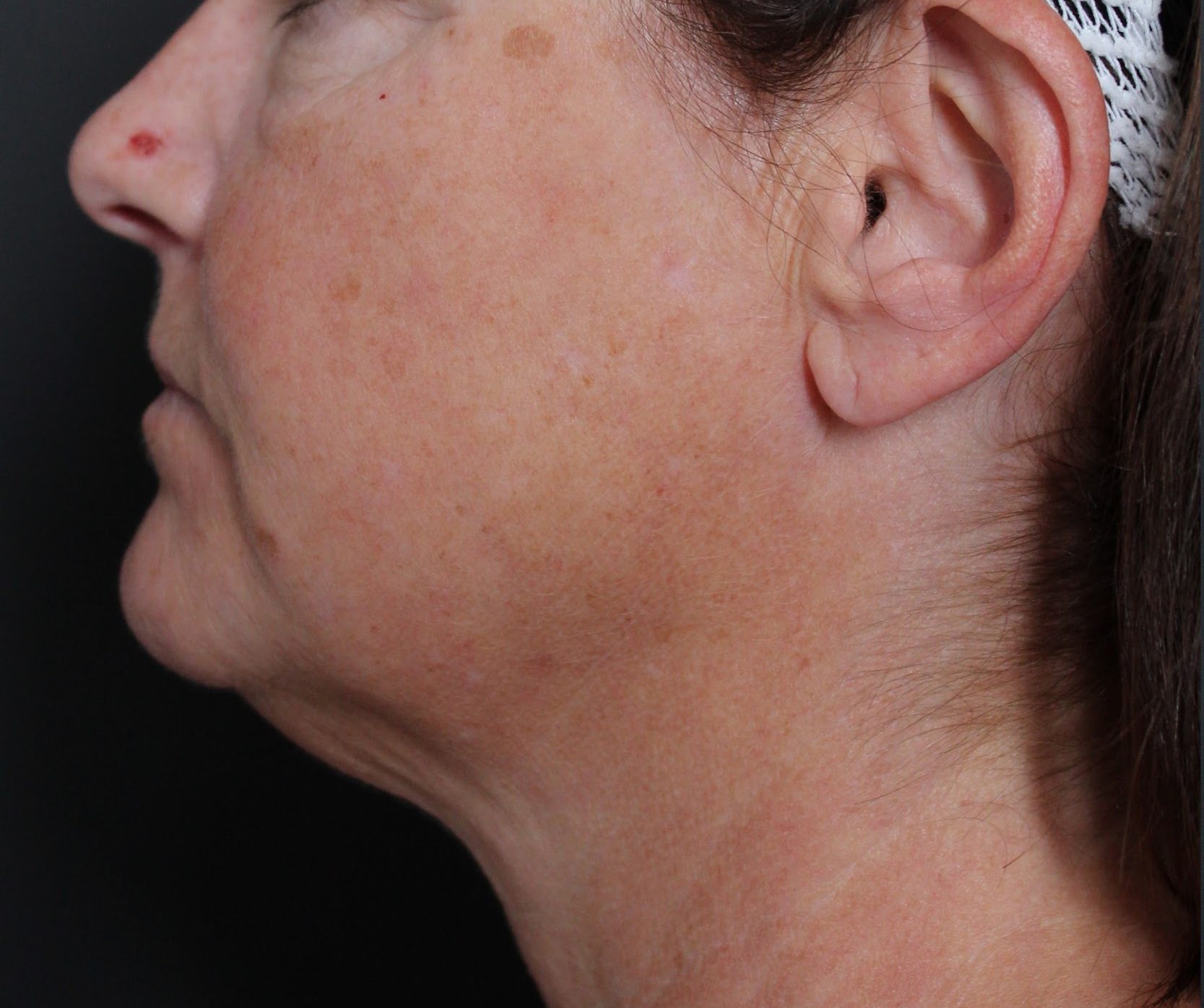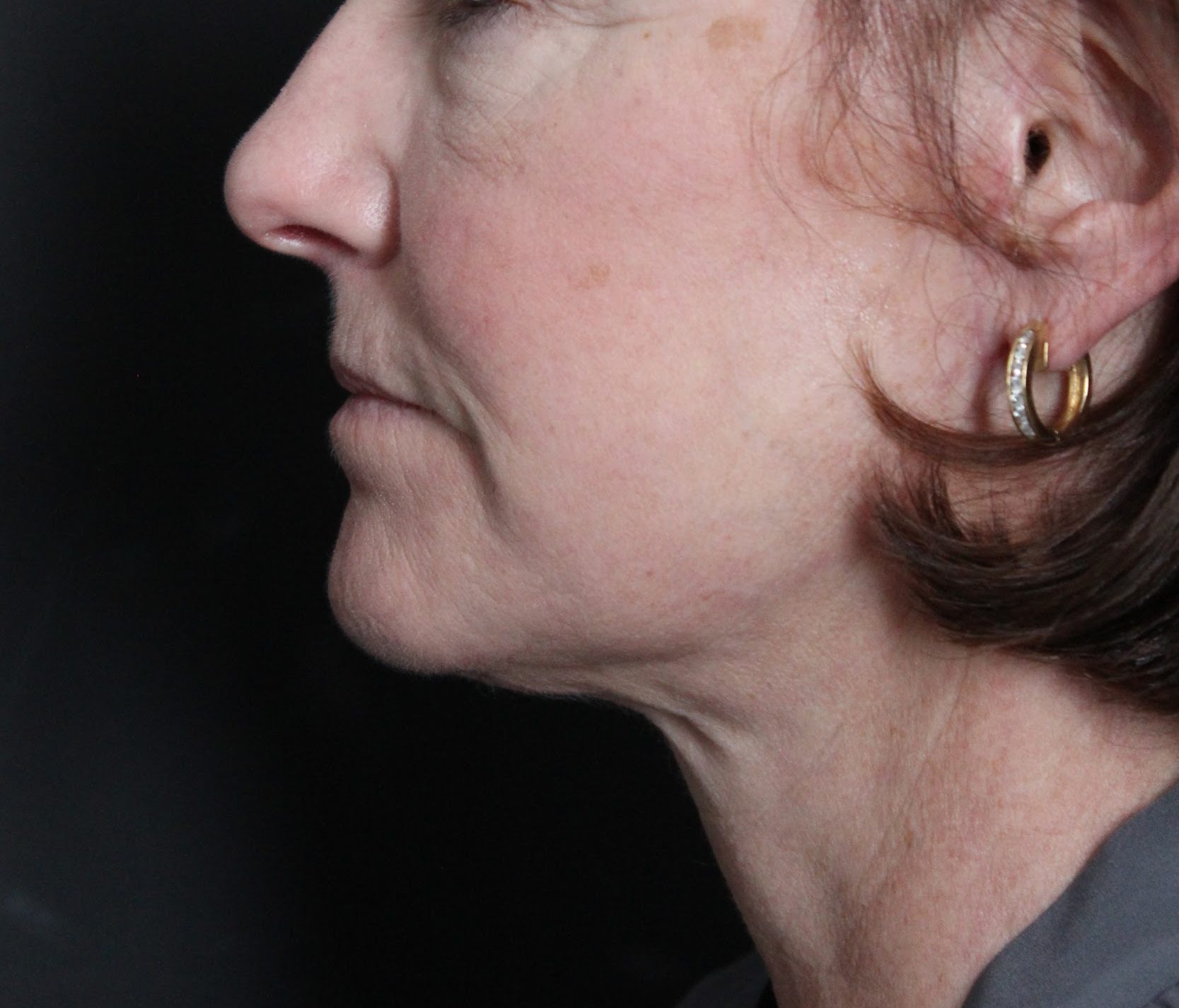
Facelift in Oakville, Ontario

Quick Facts About Facelift Procedures

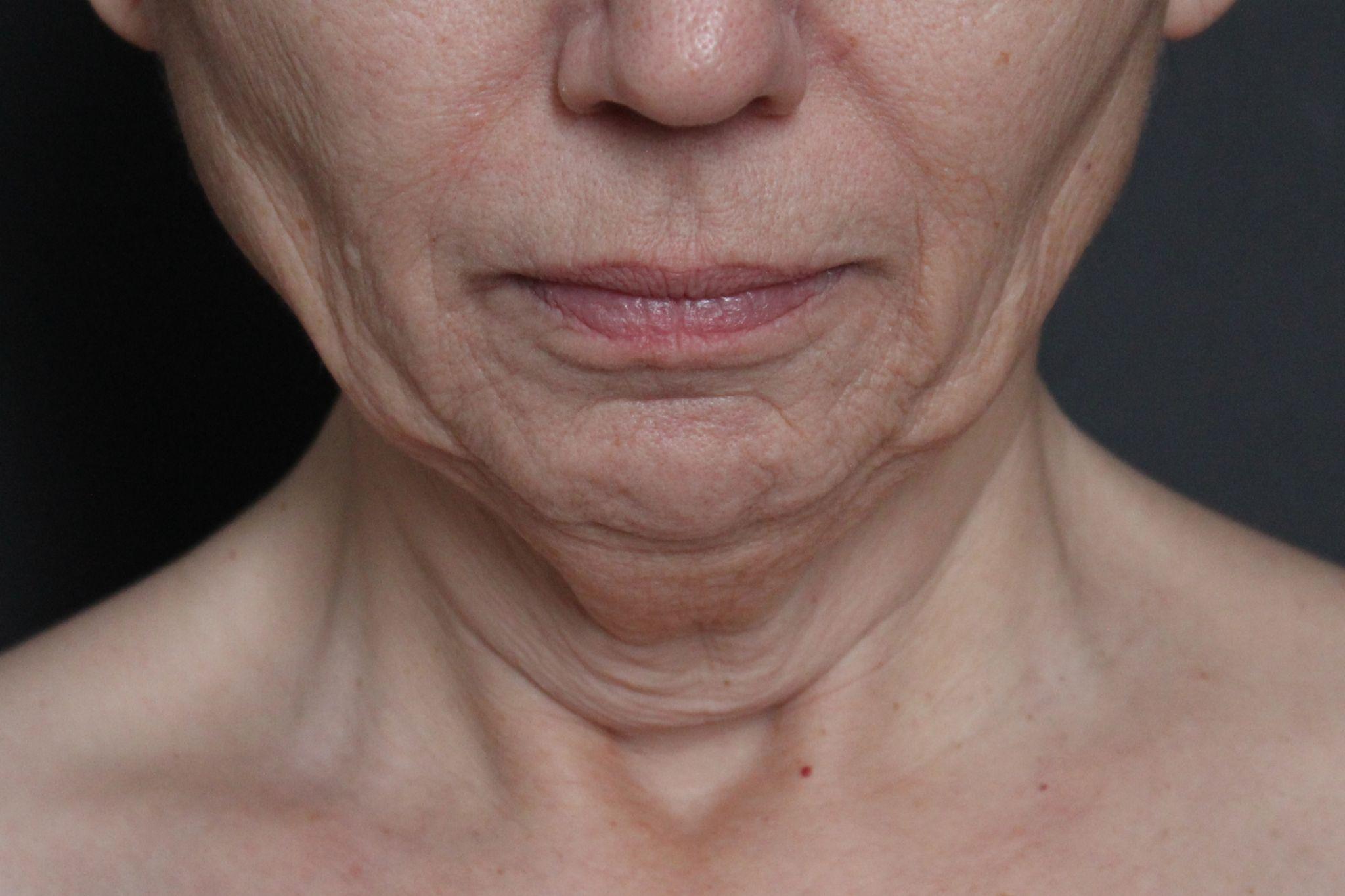
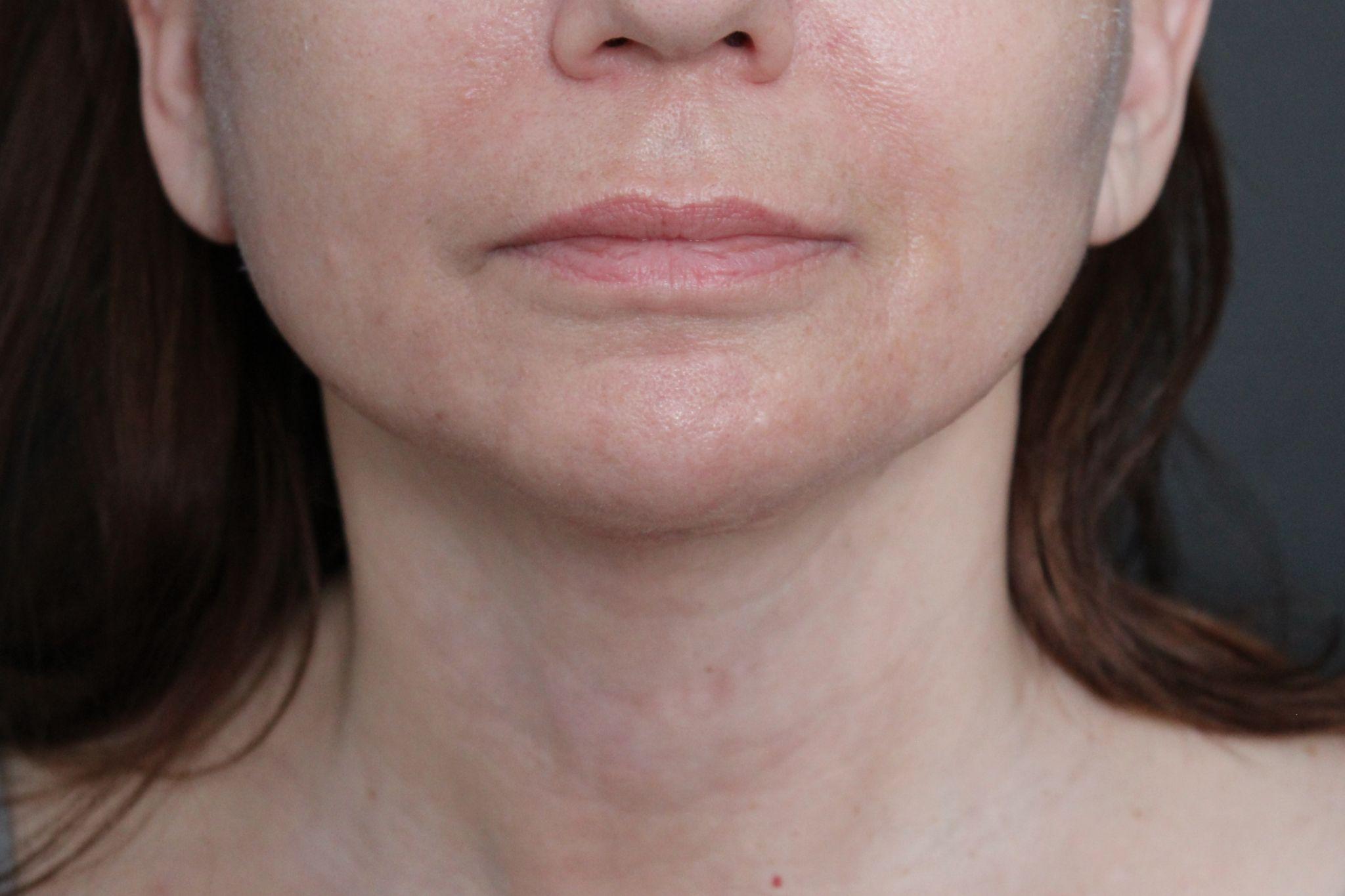
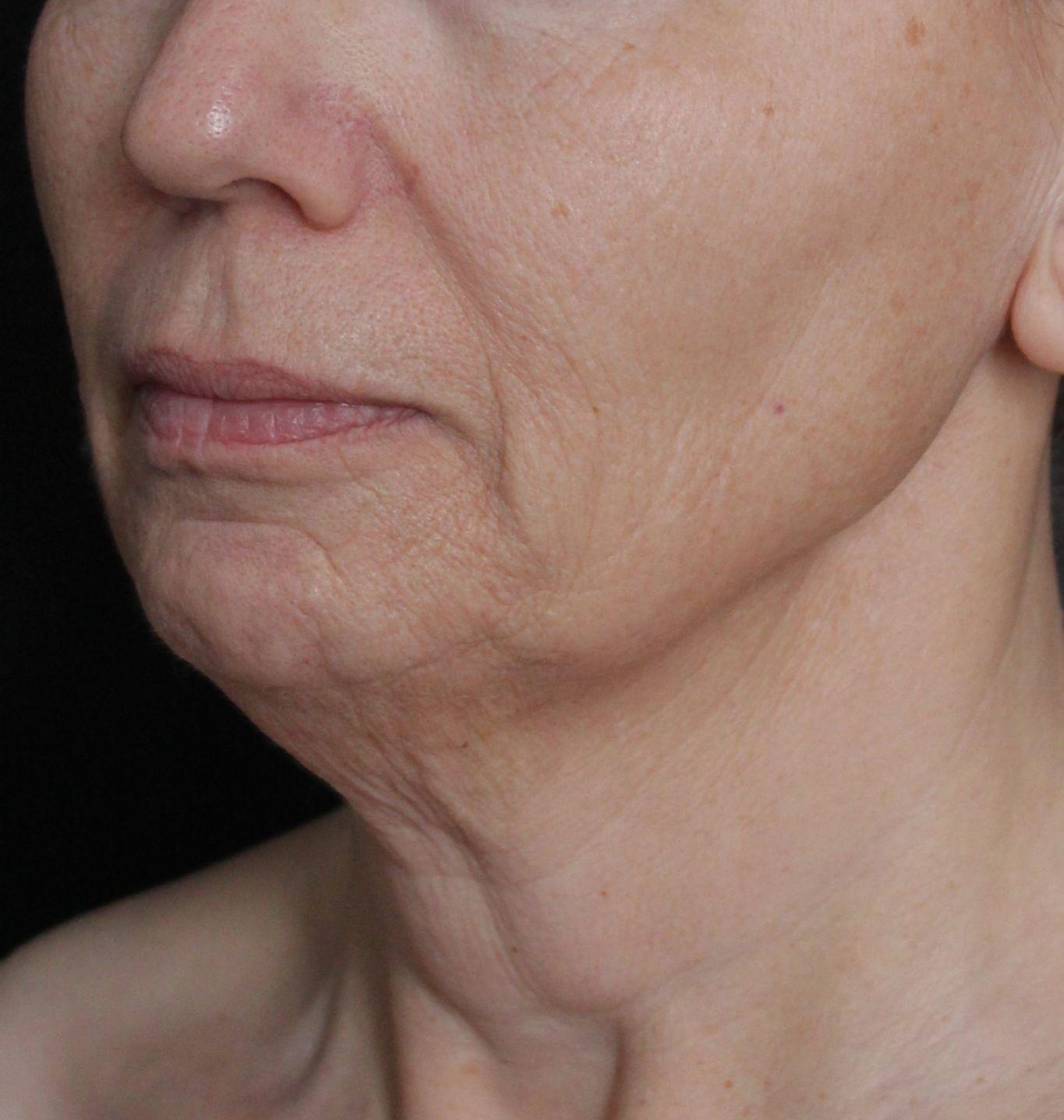
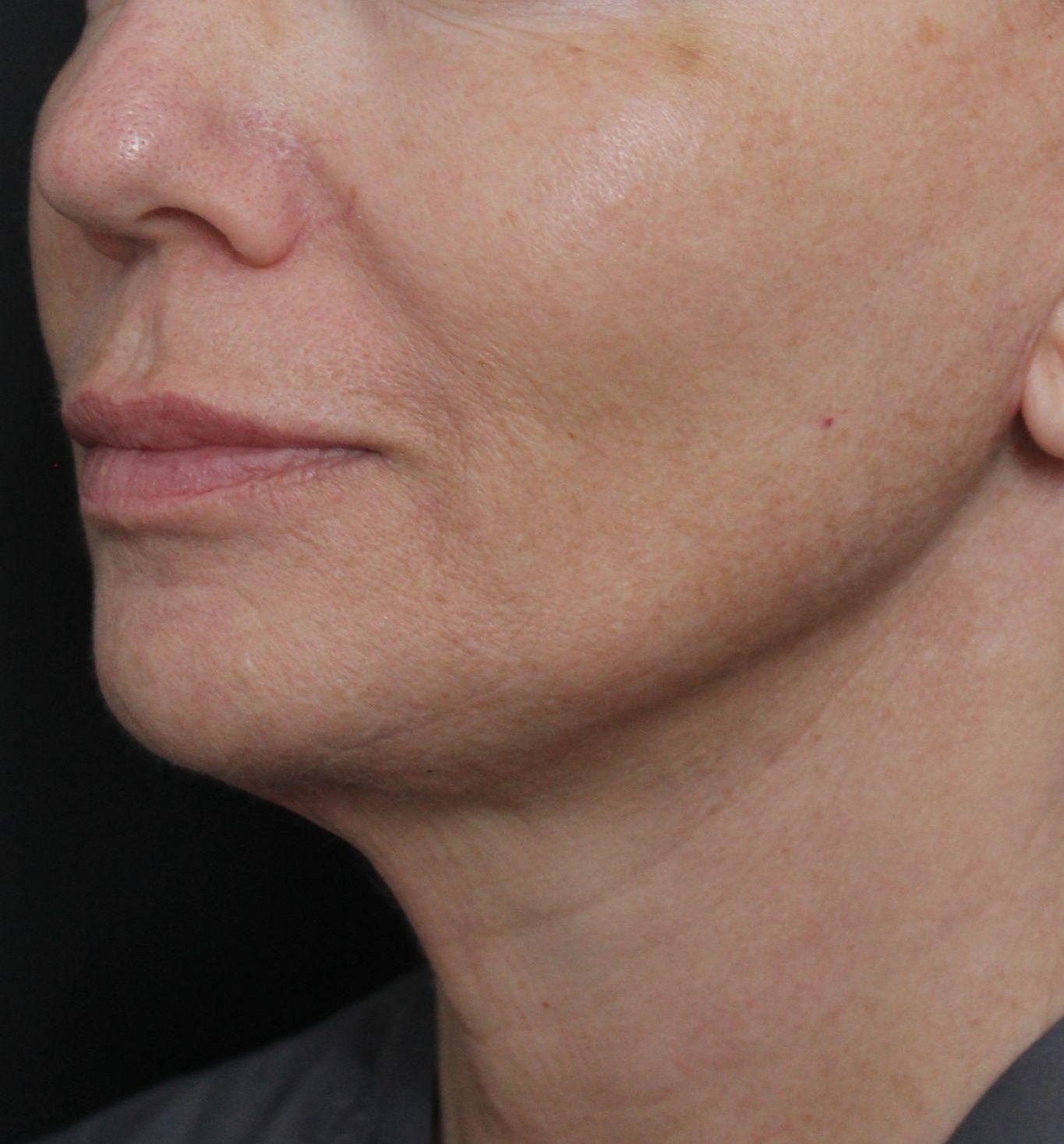
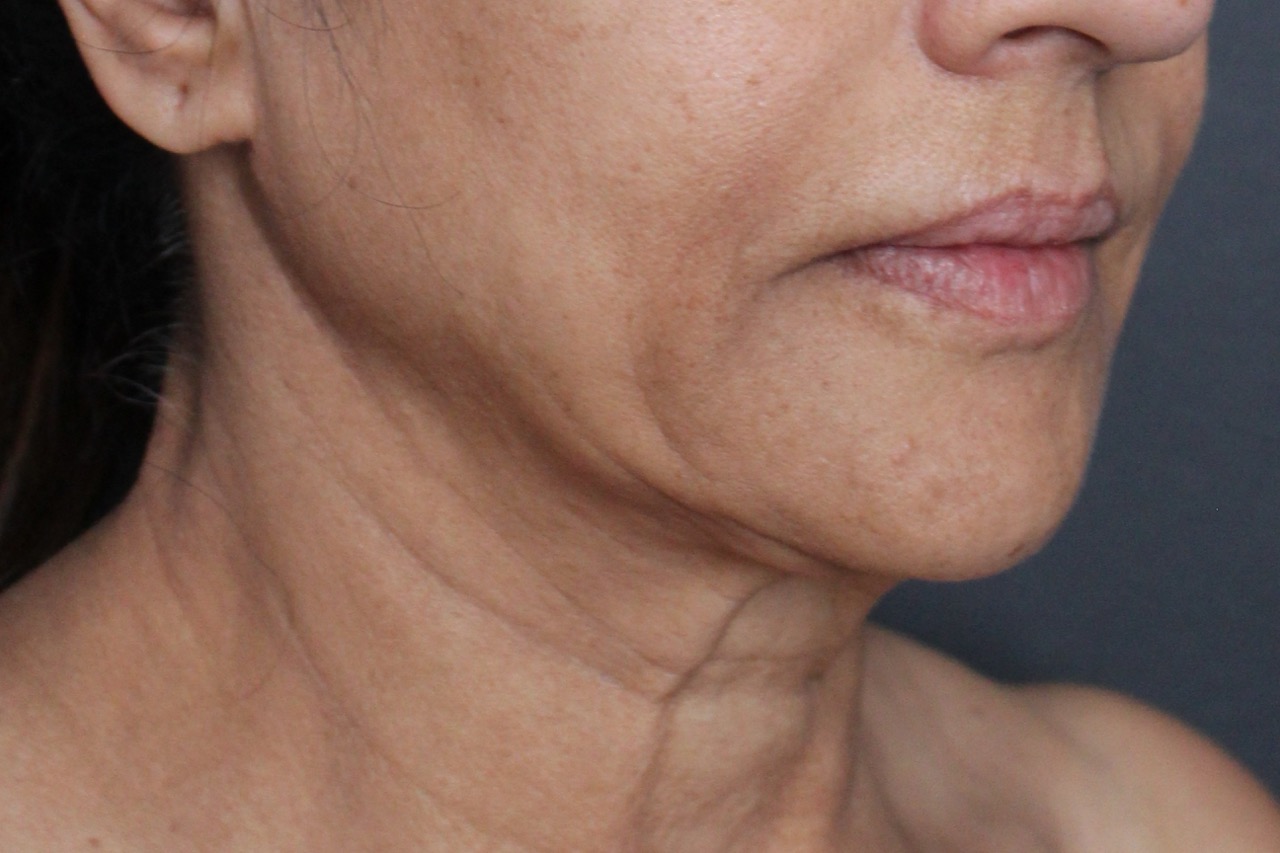
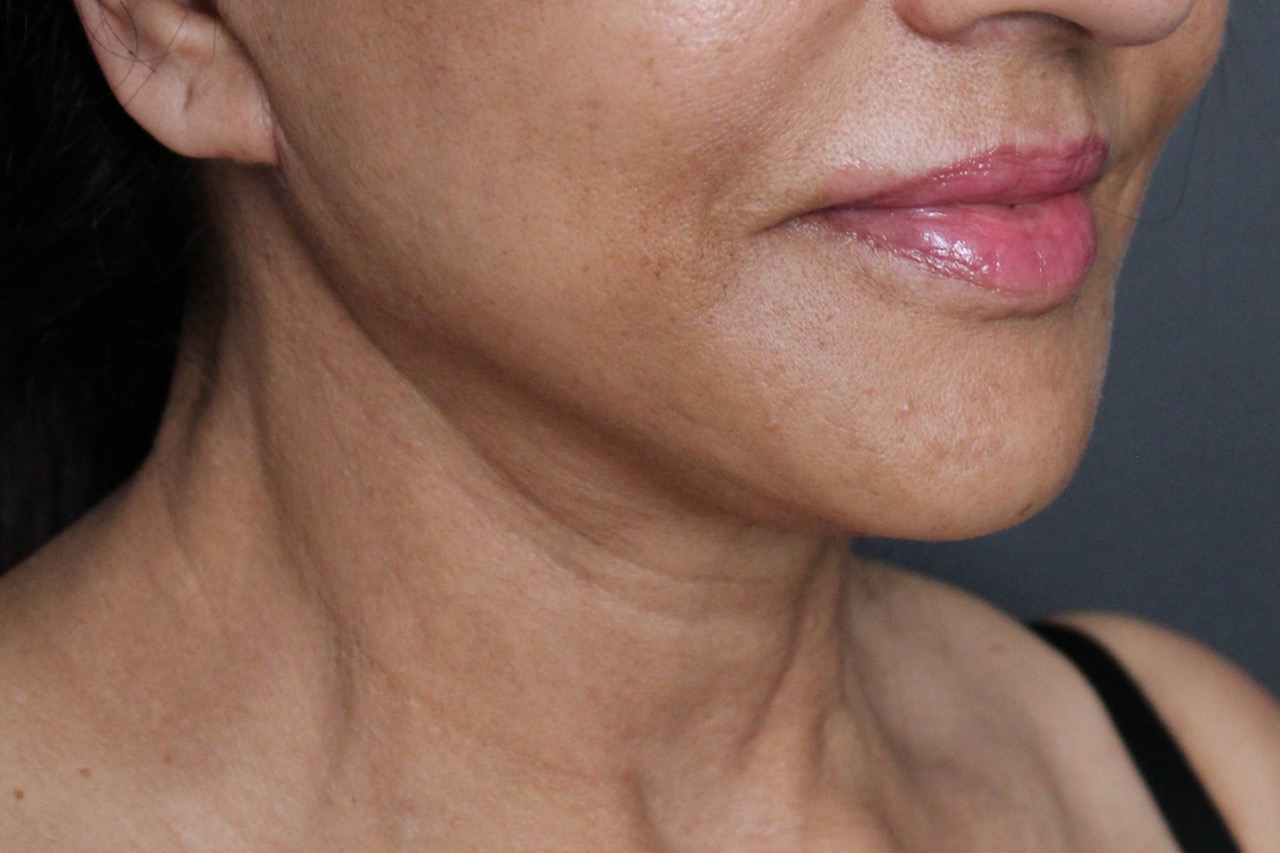
If you’re noticing signs of aging in your face, you may be considering different ways to freshen up your look. A facelift can help rejuvenate any sagging areas and soften deep folds, restoring your youthful appearance.

Recovery Time Recovery Time: 3 weeks

Potential Benefits

Lifts sagging jowls, smooths deep creases, tightens facial and neck skin.

Sedation

General anesthesia. Includes an overnight stay.

Recovery

Swelling/bruising subsides in 2–3 weeks. Sutures removed within 6-8 days.

Results

10–15 years is possible with proper maintenance.

Treatment

Customized technique (Mini, SMAS, Deep Plane) to reposition underlying tissues.

Facelift Surgery in Oakville

At ICLS Plastic Surgery in Oakville, Dr. Julie Khanna provides facial plastic surgery for patients from Toronto, Hamilton, and across the GTA. A surgical facelift can address sagging skin, jowls, and changes in facial definition by repositioning underlying tissues.

Facial aging involves more than changes to the skin. Shifting fat, reduced skin elasticity, and gradual bone resorption can affect the shape and proportions of the face. Dr. Khanna considers these changes, along with facial symmetry and individual anatomy, when developing a surgical treatment plan.

Our approach includes:

  • Personalized surgical planning: Depending on the patient’s needs, facelift surgery may be combined with VASER liposuction, radiofrequency skin tightening, or fat grafting to address facial volume and contour.
  • Skin preparation: Pre-operative care includes personalized skincare recommendations, with an Alastin skin care regimen tailored to the surgical plan.
  • Recovery support: Patients receive guidance on wound care, activity restrictions, and the recovery process, including the clinic’s post-operative skincare protocol.

What Is a Facelift?

A facelift, medically known as a rhytidectomy, is a surgical procedure that addresses visible signs of facial aging, particularly sagging skin and changes in the lower face and jawline.

Facelift surgery involves repositioning deeper facial tissues and, when appropriate, removing excess skin to improve facial contours. Depending on the surgical technique and individual anatomy, it may help address:

  • Sagging cheeks and jowls that affect jawline definition
  • Deep facial folds, including nasolabial folds around the nose and mouth
  • Loose skin along the lower face
  • Changes in facial contours caused by shifting fat and soft tissues
  • Loose neck skin when combined with a neck lift

The extent of surgical tightening depends on the patient’s anatomy, the technique selected, and the areas being treated. Some patients may also consider complementary procedures such as a brow lift or eyelid surgery.

Types of Facelifts

No two faces are alike — and neither are facelifts. With so many variations available, the key is choosing an approach tailored to your anatomy, goals, and budget.

Your journey starts with a one-on-one consultation, where Dr. Julie Khanna creates a customized treatment plan that fits your vision. Whether you’re considering a mini facelift in Toronto, a lower facelift, or a combination of techniques, the focus is on achieving natural, balanced results.

Full (Traditional/SMAS) Facelift

Full facelift surgery is generally considered when patients have more pronounced changes in the lower face, including sagging cheeks, jowls, and loss of jawline definition. Depending on the patient’s concerns, a full facelift may also be combined with neck lift surgery.

The procedure can involve repositioning and tightening the superficial musculoaponeurotic system (SMAS), a supportive layer of tissue beneath the skin. This approach addresses deeper facial structures rather than relying on skin tightening alone.

Dr. Khanna will assess the degree of facial aging, skin laxity, and overall facial structure before recommending a surgical approach.

Deep Plane Facelift

A full facelift in Toronto may also include a deep plane technique. As Dr. Khanna explains, “When we talk about the deep plane, it lifts the skin with the muscle layer (SMAS) together. It’s a good technique, but it’s the one I was taught 33 years ago.”

Essentially, the deep plane facelift tightens the deeper tissues that create sagging through the cheeks and jawline. While it’s a gold standard, it’s also a more involved surgery with a longer recovery than newer methods.

Volume-Conservation or “MACS” Facelift (Dr. Khanna’s Preferred Technique)

Dr. Khanna often favours a modern, volume-conserving technique, sometimes described as “MACS.” It’s a more conservative approach than traditional SMAS techniques, balancing lifting power with a softer, more natural finish.

“I lift the skin, rearrange the muscle separately, and then lay the skin down,” Dr. Khanna explains. “I can be more aggressive with the muscle and less aggressive with the skin,” allowing for precise control of tension and avoiding a “pulled” look.

Mini Facelift (Short-Scar)

A mini facelift uses a few small, hidden incisions near the hairline to tighten and smooth the lower face. This “short-scar” technique targets the first signs of looseness along the jawline and mild sagging around the cheeks and mouth. It may involve removing excess skin from the area, but it doesn’t treat loose skin in the neck.

Mini facelift results usually last five to seven years or more. Recovery is typically quicker than with a full facelift because it’s less invasive.

Mid-Facelift (Cheek Lift)

A mid-facelift, or cheek lift, focuses on the middle of the face, especially the cheeks. This is where early sagging can impact how youthful you look.

The procedure lifts and tightens this area to restore gentle contours and reduce drooping. Because it’s more invasive, a mid-facelift often requires several weeks of recovery time.

Cheek lift results typically last five to seven years. Note that this method does not add volume.

Lower Facelift & Neck Lift (Combination Approach)

If your main concerns are sagging along the jawline or loose skin on the neck, a lower facelift combined with a neck lift in Toronto can help. This approach tightens and smooths the lower third of the face below the corners of the mouth. It also refines the jaw and neck for a more defined, youthful look.

Recovery typically takes several weeks, with results lasting five to 10 years or longer.

Facelift Comparison Table

Type of Facelift Approach/Technique Ideal Candidates Longevity (Approx.) Downtime
Full/Deep Plane Comprehensive lift; skin + muscle moved together Advanced laxity, deeper folds, neck aging 10+ years ~3–4 weeks*
MACS (Volume-Conservation) Skin and muscle adjusted separately for precise control Most seeking natural, balanced lift 10+ years ~2–3 weeks
Mini Facelift Short-scar, focused on lower-face laxity Mild–moderate aging, early jowls 5–7 years ~1–2 weeks
Mid-Facelift Repositions sagging cheeks/midface Flattened cheeks, early fold deepening 5–7 years ~2–3 weeks
Lower Facelift + Neck Targets jawline and neck together Jowls with neck laxity 5–10 years ~2–3 weeks

*The downtime may be greater when adding radio frequency or fat transfer which is common

Facelift vs. “3-Day,” “Ponytail,” and “Vertical Restore” (Explained)

You’ll see many names for facelifts online, 3-Day Facelift, Ponytail Lift, Vertical Restore Facelift in Toronto/Canada, and others. These are marketing terms, not new surgical categories.

As Dr. Khanna explains, “There are a lot of different names and terminologies that don’t actually explain what’s going on.” What truly matters is understanding how the technique works and how it can best enhance your face.

On the “ponytail” approach, Dr. Khanna explains: “The ponytail lift keeps the incisions in the back of the hairline and not on the face… but it also limits how much you can do.” It can offer a slight lift for mild concerns or minor brow improvements. But it won’t correct deeper sagging through the mid- and lower face.

A more comprehensive facelift is sometimes the better, more long-lasting approach than a quick-fix technique.

Am I a Candidate? (When To Consider Surgery)

You might be a good candidate for a facelift in the GTA if you’re noticing:

  • Diminished facial volume and/or neck definition
  • Loss of collagen and skin elasticity
  • Wrinkles, lines, deep folds, or jowls
  • Loose or hanging skin, sagging cheeks, or deep folds around the mouth
  • Stubborn facial fat
  • A tired look that doesn’t reflect how you feel

Ideal candidates:

  • Are in good general health
  • Are non-smokers (or willing to stop pre- and post-operatively)
  • Have realistic expectations

A facelift can be transformative on its own. But many patients see the best outcomes by combining facelift surgery with other facial rejuvenation procedures (more on these below). Neck lift surgery is a popular choice; others may opt for blepharoplasty in Oakville (eyelid surgery) or other options.

Your Consultation at ICLS

During your consultation at ICLS, Dr. Julie Khanna will review your medical history, discuss your aesthetic goals, and assess your facial structure, skin quality, and areas of concern.

Whether you’re considering a mini facelift, full facelift surgery, or a combined facelift and neck lift, the consultation provides an opportunity to understand the available techniques and their potential benefits and limitations.

Dr. Khanna will also discuss recovery time, pre-operative care, and whether additional treatments may be appropriate for your goals.

Learn more about Dr. Julie Khanna.

How the Procedure Works

Facelift surgery takes place under general anesthesia. Dr. Khanna places incisions in discreet areas, such as along the hairline, behind the ears, or under the chin, depending on your skin and goals. She then tightens the underlying muscles, removes or repositions excess skin and fat, and lifts the soft tissues.

At ICLS, we customize every facelift to the patient, prioritizing precision and patient safety in our state-of-the-art facilities. When appropriate, Dr. Khanna can combine surgical and non-surgical enhancements, like facial fat grafting or fillers.

Recovery Timeline & Aftercare

Every recovery is unique, but most patients find the process manageable. Here’s what to expect:

  • Days 1–3: You’ll go home with a supportive garment and dressings. Keep your head elevated and rest. Mild pressure or tightness is usually common and controllable with prescribed medication.
  • Week 1: Expect bruising and swelling; many sutures are removed around day 7. Short, easy walks help circulation.
  • Week 2–3: Swelling and bruising fade considerably. Many people feel comfortable running errands and returning to desk work.
  • Week 4–6: You’ll feel well-healed and  “photo-ready” by about week four, depending on the extent of your surgery.
  • Months 3–6: Results continue to develop as tissues settle. Incisions fade and flatten.
  • One Year: You will be able to see your final results.

    Patient recovery varies depending on the surgical technique, whether additional procedures were performed, and individual healing. Your care team will provide instructions for incision care, activity restrictions, and your follow-up appointment schedule. Attending follow-up visits allows your surgeon to monitor healing and address any concerns throughout the recovery period.

How Long Does a Facelift Last?

You’ll notice a noticeable change once the early swelling subsides. Most patients see clear improvements at four to six weeks. Natural results continue to develop over the first year as tissues soften and scars mature.

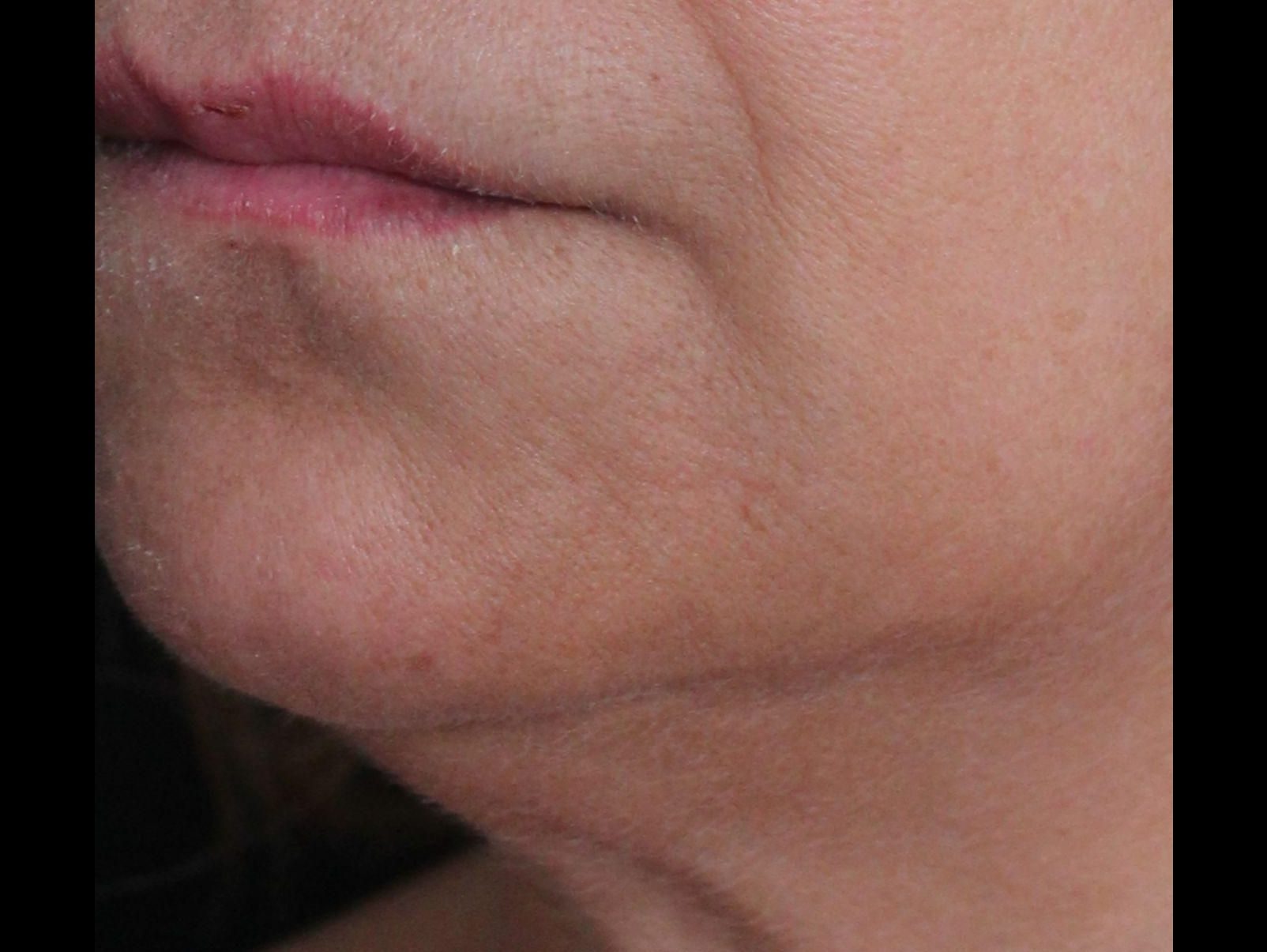
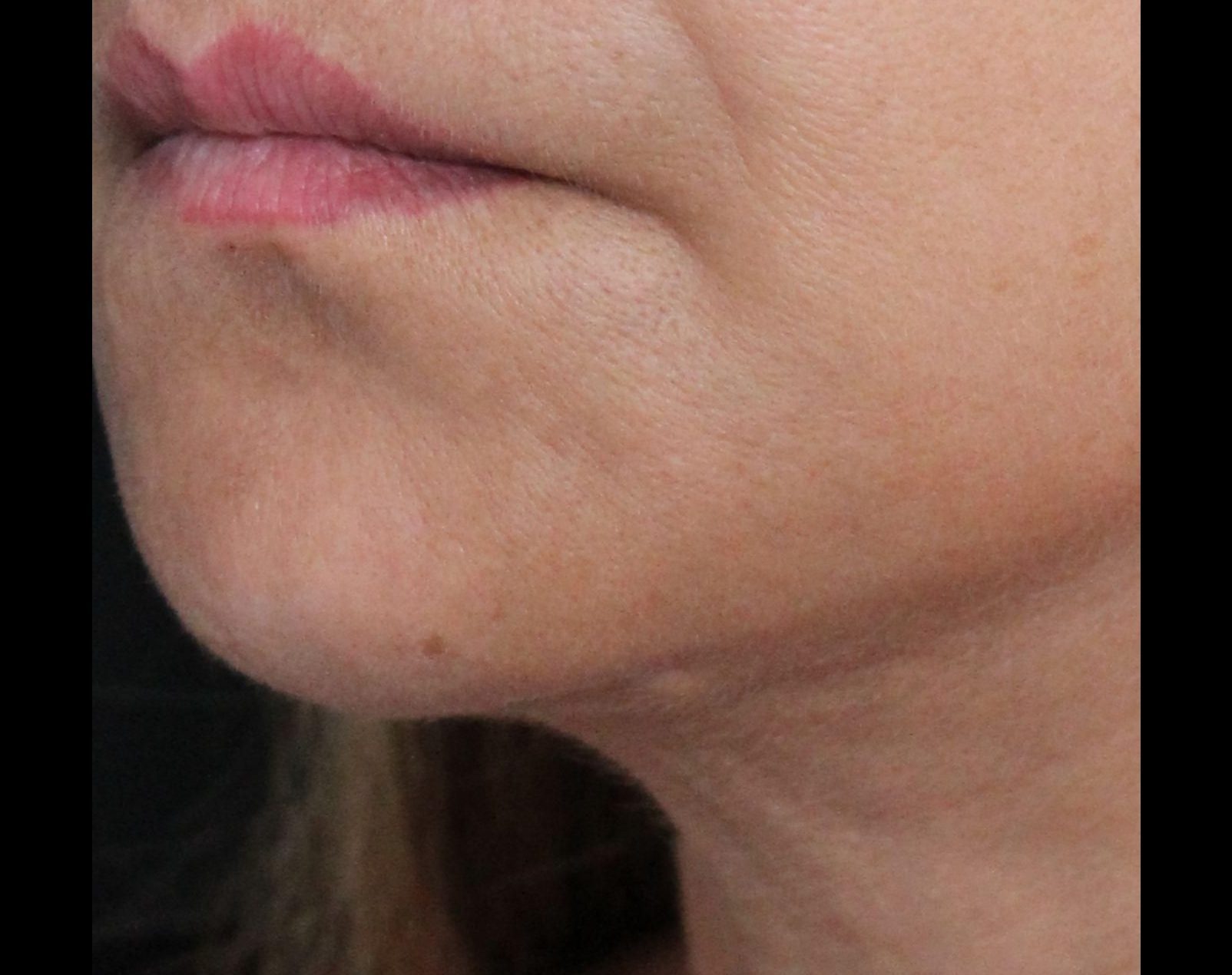
What do we mean by “natural” results? You should look refreshed, not “done.” Your jawline and cheeks regain definition; folds soften; your neck appears smoother. Yet your expressions are still recognisably yours.

Longevity varies by technique, anatomy, and lifestyle, but in general:

  • Mini and mid-facelifts last five to seven years.
  • Lower facelifts with neck tightening last five to 10 years.
  • Full/Deep plane/MACS often lasts 10 years or more.

Skin care, sun protection, healthy habits, and periodic cosmetic treatments can help extend your results.

Cost & Financing in Toronto/Oakville

Your investment depends on the extent of surgery, the technique, and whether you get complementary procedures (e.g., neck lift, fat transfer, eyelid surgery, or a brow lift in Toronto).

Facelift procedures typically start at $27,500.

Fees typically account for:

  • The surgeon’s time and expertise
  • Anaesthesia
  • Accredited facility costs

We accept major forms of payment and offer third-party financing options to help eligible patients pay in installments.

Complementary Procedures

The most balanced outcomes often come from pairing facelift surgery with the right finishing touches:

  • Blepharoplasty to brighten the eyes in harmony with your new jawline definition
  • Mini neck lift to refine the transition between the jawline and neck
  • Brow lift to open the upper third of the face and elevate heavy brows
  • Fat transfer to enhance volume in the lips, under-eye hollows, and cheeks without the use of traditional dermal fillers

As Dr. Khanna says, “What really makes a facelift? It’s the other things: fat grafting, eyelid lifts, lip lifts, skin care, lasers.” The right combination creates a more complete rejuvenation.

Facelift Surgery vs. Non-Surgical Facelift Treatments

Patients researching facial rejuvenation often compare facelift surgery with non-surgical treatments for wrinkles, skin laxity, and volume loss.

The term “non-surgical facelift” describes a range of cosmetic procedures that may improve selected signs of facial aging without surgery. These can include injectables, skin tightening, and laser treatments, depending on the patient’s skin concerns.

Non-invasive anti-aging treatments may help improve skin texture, fine lines, or mild laxity. However, these treatments generally cannot reposition significantly descended facial tissues or remove substantial excess skin in the same way as facelift surgery.

Some patients also explore personalized skincare and other anti-aging treatments to support their skin quality before or after surgery.

For patients interested in non-surgical options, dermatology and aesthetic treatments previously offered through ICLS are now available at Oakville Skin. A consultation can help determine which type of treatment is appropriate for your concerns.

Why Choose ICLS for Facelift Surgery?

Here are just some of the reasons we’re a preferred provider for a range of surgical procedures in the GTA.

  • Experience you can see: For nearly three decades, ICLS has cared for the Oakville and Greater Toronto community. We have a reputation for natural-looking outcomes and patient-first care.
  • Trusted by Canadians: We’ve supported a large patient community with a high volume of active charts and numerous five-star reviews.
  • Accredited surgical facility: Safety is paramount at every step, from anesthesia protocols to recovery.


At ICLS, we treat patients like family, supportive, honest, and focused on what will serve you best for the long term. 

Frequently Asked Questions

What’s the difference between deep plane and SMAS?

A deep plane lift moves the skin and muscle together for advanced laxity. SMAS techniques adjust them separately for more control. Read more about SMAS vs. Deep Plane Facelift.

How long does facelift surgery take?

Most procedures take three to five hours, depending on the technique and any combined treatments.

Will I have visible scars, and where?

Incisions usually sit discreetly around the ears, hairline, or under the chin. They fade well with proper care.

What is a mini facelift, and who is it best for?

It’s ideal for mild sagging along the jawline. Shorter incisions mean quicker recovery, often within two weeks.

How painful is recovery, and how long until I’m “photo-ready”?

Discomfort is mild and manageable with medication. Most patients feel confident going out at three to four weeks.

Is 60 or 70 too late for a facelift?

Not at all. Health and skin quality matter more than age. Many patients in their 60s or 70s see excellent results.

Does a facelift include the eyes or the forehead?

No. It treats the mid and lower face. Add a brow lift or eyelid surgery for full-face rejuvenation.

How long do results last?

Typically five to 10 years, sometimes longer, with good habits and maintenance treatments.

Financing Available

Flexible Payment Options

Patient exploring flexible monthly payment plans and financing options at ICLS Plastic Surgery
  • Flexible monthly payment plans
  • A simple, secure online application
  • No cost to apply or get pre-approved
Financing Options
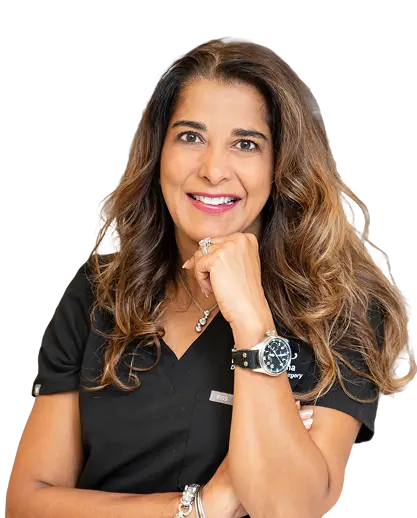
Board-certified ICLS Plastic Surgeon Dr. Julie Khanna

Our Doctor

Dr. Julie Khanna

MD, FRCSC
As one of Canada’s leading cosmetic plastic surgeons for over 30 years, Dr. Khanna approaches every procedure with the goal of creating results that feel natural, balanced, and uniquely your own. 
Supported by an accredited, state-of-the-art facility and a team she’s personally trained, Dr. Khanna embodies the ICLS Advantage: experience, innovation, and care that always put the patient first.
Canadian Society of Plastic Surgeons member at ICLS Plastic Surgery
Canadian Society of Plastic Surgeons member logo for ICLS Plastic Surgery
Royal College of Physicians and Surgeons of Canada fellow at ICLS Plastic Surgery
The Aesthetic Society member logo for ICLS Plastic Surgery specialists
American Board of Plastic Surgery certified surgeon at ICLS Plastic Surgery

Book A Private Consultation with Our Plastic Surgeon